

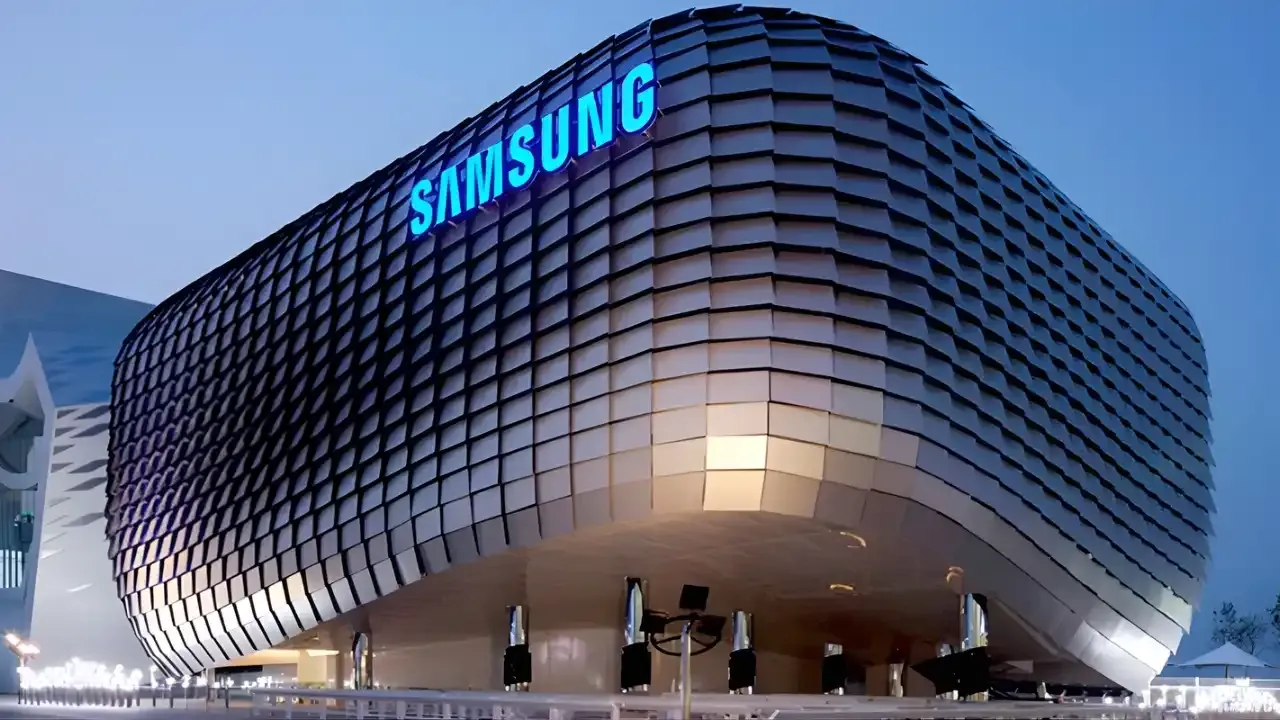
How Samsung Reinvented Itself as a Global Brand
Overview
In the 1980s and early 1990s, Samsung was largely perceived as a low-cost electronics manufacturer. It produced televisions, microwaves, and components for other brands. Outside South Korea, few consumers viewed Samsung as innovative or premium.
Then the Asian Financial Crisis of 1997 hit. The crisis nearly crippled several South Korean conglomerates. For Samsung, it became a turning point.
Chairman Lee Kun-hee famously told executives, “Change everything except your wife and children.”
That statement marked the beginning of one of the most remarkable brand reinventions in corporate history.
Samsung did not just upgrade products. It rebuilt its identity, shifted from cost leadership to innovation leadership, and transformed into one of the most recognized technology brands globally.
Market Problem
In the 1990s, global consumer electronics markets were dominated by Japanese brands like Sony and American giants like Motorola. Samsung struggled with:
- Weak global brand perception
- Dependence on OEM manufacturing
- Limited product differentiation
- Price-based competition
Competing on price alone limited margins and long-term sustainability.
To survive globally, Samsung needed to elevate brand perception, invest in R&D, and compete in premium segments.
Strategy Used
Samsung adopted a multi-layered transformation strategy:
- Invest heavily in research and development
- Move up the value chain from OEM to branded products
- Strengthen global marketing capabilities
- Control key component manufacturing
Rather than outsourcing critical components, Samsung vertically integrated its operations. It became one of the largest producers of semiconductors, displays, and memory chips.
This integration provided cost advantages and innovation control.
The company also shifted from engineering-focused communication to design-driven branding.
Execution Breakdown
Samsung dramatically increased R&D investment, building innovation centers globally.
It launched premium product lines, particularly in smartphones and televisions.
The Galaxy smartphone series became its flagship competitor to Apple’s iPhone. Instead of copying blindly, Samsung differentiated through larger screens, hardware customization, and faster product iteration cycles.
Marketing investment surged. Samsung sponsored global sporting events, including the Olympics, strengthening brand visibility.
The company also restructured internal operations to emphasize design excellence. Global design centers were established in major cities.
Unlike many competitors, Samsung balanced component manufacturing with finished product sales. It supplies chips and displays to other technology companies while selling its own consumer devices.
This dual positioning strengthened financial resilience.
Marketing Framework Applied
Samsung reflects Brand Repositioning Strategy, shifting from cost-based competition to premium differentiation.
It also applies Vertical Integration Strategy, controlling supply chain components.
Samsung leverages Competitive Differentiation Strategy, responding quickly to market changes with frequent product launches.
Additionally, it uses Global Brand Localization, adapting marketing strategies to regional markets while maintaining consistent brand identity.
The company combines scale efficiency with innovation agility.
Numbers & Growth Metrics
Samsung became one of the world’s largest smartphone manufacturers by shipment volume.
It is a global leader in semiconductor manufacturing and memory chips.
The company consistently ranks among the top global brands by valuation.
R&D spending amounts to billions annually.
Samsung operates in over 70 countries with extensive manufacturing facilities worldwide.
Its diversified business model reduces reliance on a single product category.
What Entrepreneurs Can Learn
First, brand perception can be rebuilt with consistent investment and strategic clarity.
Second, vertical integration increases strategic independence.
Third, global ambition requires local adaptation.
Fourth, crisis can catalyze transformation.
Fifth, innovation must be supported by marketing superior products alone are not enough.
Samsung’s journey proves that repositioning is possible, even for companies stuck in low-margin segments.
Actionable Takeaways for SMEs
Evaluate whether your brand is competing primarily on price. If so, explore differentiation strategies.
Invest in innovation consistently rather than sporadically.
Strengthen brand storytelling alongside product upgrades.
Consider strategic control over critical parts of your value chain.
Use crises as opportunities for reinvention.
FAQs
1. How did Samsung transform into a premium brand?
Through heavy R&D investment, global marketing expansion, and vertical integration of key components.
2. What differentiates Samsung from other electronics brands?
Its ability to manufacture core components while also producing consumer-facing devices.
3. Why was the 1997 crisis important for Samsung?
It forced leadership to rethink strategy and accelerate global transformation.
4. How does Samsung compete with Apple?
By offering diverse product variations, rapid innovation cycles, and vertical integration advantages.
5. Can small businesses reposition their brand like Samsung?
Yes. SMEs can gradually shift perception through improved product quality, branding consistency, and strategic differentiation.
Category: Branding and Positioning Strategy