

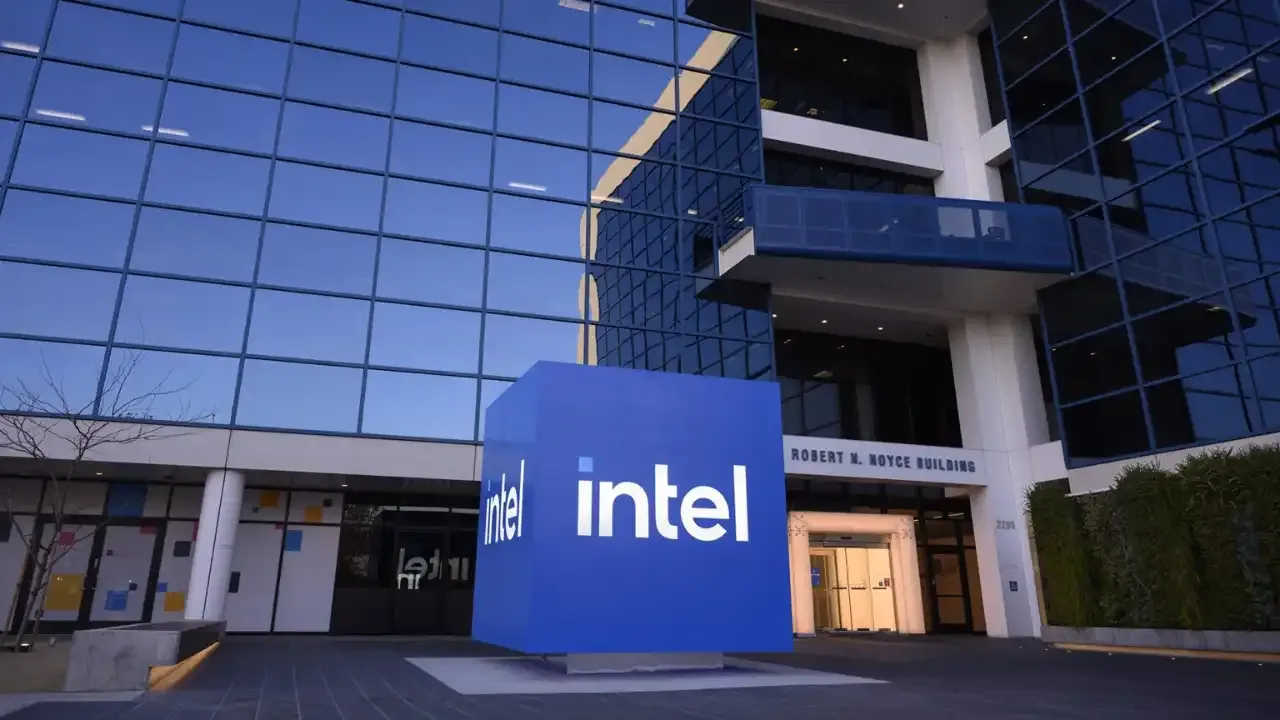
Intel’s Rise, Stumble, and Semiconductor Comeback
Overview
In 1968, two engineers, Robert Noyce and Gordon Moore, founded Intel with a vision to advance semiconductor memory. Few could predict that Intel would become the defining force behind modern personal computing.
For decades, the phrase “Intel Inside” symbolized computing power. Intel chips powered millions of PCs worldwide. The company became synonymous with performance, reliability, and innovation.
But dominance can breed complacency.
By the late 2010s, Intel faced intense competition from AMD, Apple Silicon, and Asian semiconductor manufacturers. Manufacturing delays, architectural stagnation, and missed technology transitions weakened its leadership.
Intel’s story is not just about rise and dominance — it is about navigating technological disruption and attempting strategic recovery in one of the world’s most competitive industries.
Market Problem
In the 1980s and 1990s, computing required increasingly powerful processors. The PC revolution created massive demand for reliable CPUs.
Intel solved this problem with consistent innovation in microprocessor design.
However, as the industry matured, new challenges emerged:
- Shrinking transistor sizes required advanced fabrication
- Competitors adopted flexible chip designs
- Mobile computing reduced PC dependency
- Custom silicon became viable for major tech firms
Intel relied heavily on its integrated device manufacturing (IDM) model — designing and manufacturing chips internally.
When manufacturing delays occurred in advanced process nodes, competitors gained advantage.
The market shifted from PC-centric computing to diversified computing platforms including mobile, cloud, and AI.
Strategy Used
Intel’s historical strategy relied on:
- Performance leadership
- Strong OEM partnerships
- Vertical integration through in-house fabrication
The company invested billions in fabrication plants (fabs) to maintain technological leadership.
During its recovery phase, Intel introduced a new strategy under CEO Pat Gelsinger:
- Recommit to advanced manufacturing
- Expand foundry services
- Invest in AI and data center chips
- Strengthen partnerships globally
Intel announced plans to build new semiconductor manufacturing plants in the United States and Europe to regain fabrication leadership.
Execution Breakdown
Intel’s early dominance came from consistent microarchitecture innovation, such as the x86 architecture becoming industry standard.
The “Intel Inside” marketing campaign strengthened brand recognition among consumers — rare for a component manufacturer.
However, delays in transitioning to smaller nanometer processes (like 10nm) allowed competitors such as AMD and TSMC-backed manufacturers to advance.
Apple’s decision to replace Intel chips with its own Apple Silicon marked a symbolic turning point.
Intel responded by restructuring operations, accelerating product roadmaps, and committing to reclaiming process leadership.
The company also introduced Intel Foundry Services, aiming to manufacture chips for other companies — shifting partially toward a hybrid model.
Intel’s comeback depends heavily on execution speed and manufacturing excellence.
Marketing Framework Applied
Intel historically applied Technology Leadership Strategy, competing through performance improvements.
It also used Ingredient Branding Strategy — promoting “Intel Inside” to influence end-consumer decisions despite being a component supplier.
During crisis recovery, Intel applies Strategic Realignment Theory, adjusting operational and competitive positioning.
The new foundry approach reflects Business Model Diversification Strategy.
Intel’s long-term viability depends on balancing innovation with operational discipline.
Numbers & Growth Metrics
Intel has generated tens of billions in annual revenue historically.
It remains a major supplier of CPUs for data centers and enterprise infrastructure.
The company announced multi-billion-dollar investments in new fabrication plants globally.
Competition from AMD and ARM-based chips has reduced Intel’s market share in certain segments.
Despite challenges, Intel remains one of the largest semiconductor companies worldwide.
What Entrepreneurs Can Learn
First, dominance requires continuous reinvention.
Second, operational execution is as critical as innovation.
Third, branding can elevate even component-level businesses.
Fourth, internal delays can create external vulnerabilities.
Fifth, recovery demands decisive leadership and capital commitment.
Intel’s journey demonstrates that technological leadership is fragile without execution excellence.
Actionable Takeaways for SMEs
Continuously monitor competitor innovation cycles.
Avoid overreliance on legacy products.
Invest in operational efficiency alongside product development.
Build strong brand positioning even if you operate behind the scenes.
Be prepared to pivot business models when market dynamics shift.
FAQs
1. Why did Intel lose its manufacturing leadership?
Delays in transitioning to advanced semiconductor process nodes allowed competitors to gain technological advantage.
2. What is Intel’s recovery strategy?
Reinvesting in fabrication plants, expanding foundry services, and accelerating product innovation.
3. What is “Intel Inside” marketing?
An ingredient branding strategy that made consumers aware of Intel processors inside PCs.
4. Who are Intel’s main competitors?
5. Can companies recover from technological decline?
Yes, but it requires capital investment, leadership alignment, and rapid execution.
Category: Crisis Management and Brand Recovery